Canada’s 2030 climate targets: Falling short amid global corporate emissions
New data from Environment and Climate Change Canada shows that Canada is far off track to meet its legally binding 2030 climate target. Current projections suggest the country will achieve only a 21% reduction in emissions below 2005 levels by 2030, or 28% if additional policies are implemented. Well short of the 40-45% reduction goal, these findings reveal a significant set back — especially considering Canada was initially headed towards a 34% reduction under the Trudeau government. As the first Environment Canada update since Carney took office and a decade since the signing of the Paris Agreement, the report underscores Canada’s urgent need for immediate policy action. The shortfalls come amid policy shifts under the Carney government, including cuts to carbon taxes, pausing the electric vehicle mandate, and support for additional LNG exports and potential pipeline projects.
This picture at home, reflects the broader global challenges presented in the Carbon Majors 2024 update – a report using database that traces emissions from fossil fuels back to the companies responsible. Recent findings continue to suggest that emissions are increasingly concentrated among a smaller number of companies. In fact, just 32 companies (many state-owned) are responsible for over half of global fossil fuel CO2 emissions, with the top 10 alone accounting for 27.6%. While some investor-owned companies are reducing emissions, most large producers continue to expand output, driving the majority of industrial emissions.
This data is significant. By providing a direct link between corporate activity and climate change, the database represents a tool through which we can hold major companies accountable, characterizing emissions data not by country, but by the company itself, identifying the hydrocarbon producers whose emissions contribute disproportionately to global warming.
The connection is clear: Canada’s climate goals are undermined not only by our governments decision-making and domestic policy choices but also by the persistent global dominance of a small group of fossil fuel contributors. The good news is that international accountability mechanisms are starting to emerge holding these companies responsible for their negative climate impacts. For Canada, closing the emissions gap will require both robust domestic action and engagement in these global accountability efforts. Without decisive measures and immediate climate action informed by emissions and climate data, hitting the 2030 target will remain out of reach and the escalating climate impacts will continue to worsen.
Written by: Sabrina Careri
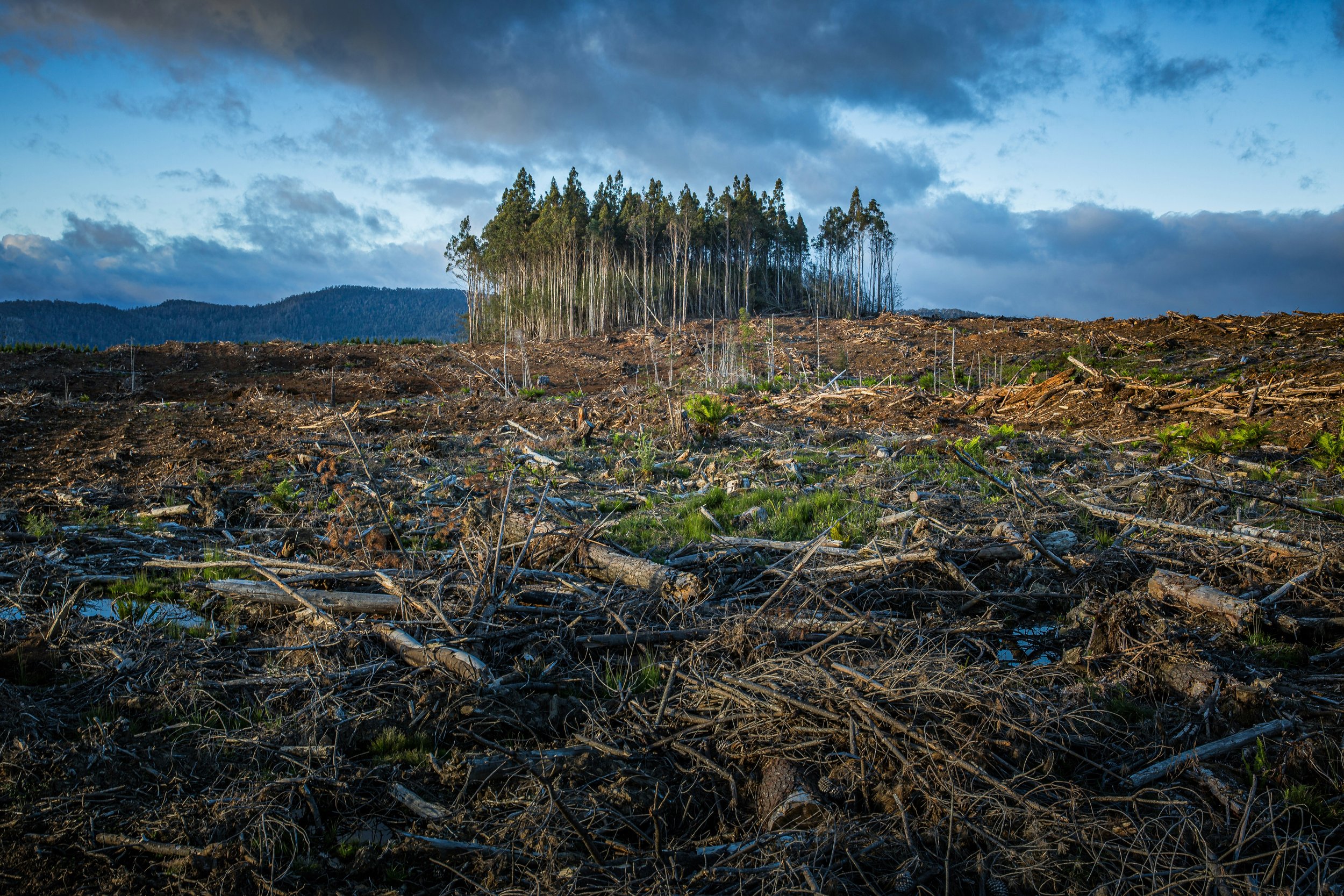
Photo credit: Matt Palmer from unsplash